ORANTECH UFA-PA01-15 Probes Pencil Parks Medical 832-1920-11 9.2MHZ 811/810-A
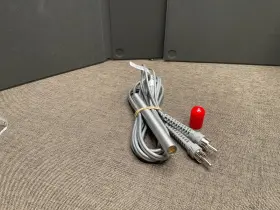
( Brand: Orantech ), ( Part Type: Probe ), ( Unit Type: Unit ), ( Manufacturer Part Number: UFA-PA01-15 ), ( Country Of Origin: China )
Review ORANTECH Compatible 9.2mhz Probes Pencil Parks Medical 811/810-a
The Orantech UFA-PA01-15 832-1920-11 9.2MHz probes are a high-performance accessory designed for use with the Parks Medical 811/810-A diagnostic ultrasound system. These probes offer superior imaging capabilities, making them an essential tool for medical professionals seeking accurate and detailed diagnostic information.
These probes feature a 9.2MHz frequency, which is ideal for imaging superficial structures and small organs such as the thyroid gland, breast tissue, and testicles. With a higher frequency, these probes can provide greater detail and resolution, enabling more precise diagnoses.
The UFA-PA01-15 probes come with a pencil-shaped design, making them comfortable to hold and easy to maneuver in various body cavities. The ergonomic handle provides a firm yet comfortable grip, reducing user fatigue during extended sessions.
The probes are made with high-quality materials that ensure durability and longevity. Their waterproof construction allows for easy sterilization between patients, contributing to improved hygiene and infection control.
The UFA-PA01-15 probes are compatible with the Parks Medical 811/810-A ultrasound system, ensuring seamless integration into your medical practice. The system's intuitive interface and advanced imaging capabilities allow for quick and accurate diagnoses, making these probes an indispensable addition to your diagnostic toolkit.
In summary, the Orantech UFA-PA01-15 832-1920-11 9.2MHz probes are a high-performance, ergonomically designed accessory for the Parks Medical 811/810-A ultrasound system. Their pencil-shaped design, comfortable handle, and high-frequency capability make them ideal for imaging superficial structures and small organs, providing superior detail and resolution for more precise diagnoses. Their durable and waterproof construction ensures longevity and easy sterilization, making them a worthwhile investment for any medical practice.
Pros and Cons of Buying Orantech UFA-PA01-15 832-1920-11 9.2MHz Probes for Parks Medical 811/810-A
1. Pros:a. High Frequency: The Orantech UFA-PA01-15 probes operate at a high frequency of 9.2MHz, which provides better tissue penetration and allows for the detection of deeper lesions.
b. Durable Construction: These probes are known for their robust design, which includes a stainless steel tip and a rugged housing, making them suitable for long-term use in a clinical setting.
c. Multipurpose: The Orantech UFA-PA01-15 probes can be used for various applications, including B-mode imaging, Doppler flow studies, and color Doppler imaging, making them a versatile addition to a medical imaging system.
2. Cons:a. Expensive: These probes are more expensive compared to lower-frequency probes, which may be a limiting factor for some clinics or practitioners.
b. Complex Setup: The Orantech UFA-PA01-15 probes may require a more complex setup process compared to lower-frequency probes, which could potentially increase the time and effort required to begin using them.
c. Requires Specialized Knowledge: The effective use of high-frequency probes requires a certain level of expertise and knowledge, which may necessitate additional training for staff members.
Conclusion:The Orantech UFA-PA01-15 832-1920-11 9.2MHz probes offer several advantages, such as their high frequency, durability, and versatility. However, they also come with some disadvantages, including their higher cost, complex setup process, and the need for specialized knowledge. Ultimately, the decision to purchase these probes should be based on the specific needs and resources of a medical practice or institution. If the benefits outweigh the drawbacks for your organization, then investing in Orantech UFA-PA01-15 probes could lead to improved diagnostic capabilities and better patient care.
Recommendation:If your medical practice or institution requires high-frequency probes for advanced diagnostic imaging and is willing to invest in the additional cost and training, then the Orantech UFA-PA01-15 probes could be a valuable addition to your equipment inventory. However, if your needs are more basic or budget-conscious, it may be worth considering lower-frequency probes as an alternative. Consult with your medical equipment supplier or imaging system manufacturer to determine which probes best fit your organization's requirements and budget.
Details:
Use but in working condition see picture for more details.
part #: ufapa0115 price
- $105.00
specifications quakedental:
- brand: Orantech
- part type: Probe
- unit type: Unit
- manufacturer part number: UFA-PA01-15
- country of origin: China
offer quakedental:
- started: January 24, 2026
- quantity: 10
- best offers: True
- options: Ship-to-home
- sold: 0
- availability: In Stock
seller quakedental:
- rating: 98.9%
- city: Houston, Texas
- # reviews: 139
shipping quakedental:
- transit: 5-11 Days
- service: USPS Ground Advantage
- class: Standard
- cost: $6.09
- type: Calculated
- carrier: USPS
general quakedental:
- Business Industrial > Healthcare, Lab Dental > Other Healthcare, Lab Dental
- condition: Used
payments quakedental:
- money order
- other
- credit card: Visa
- wallet: Google-pay
returns quakedental:
- policy: No Returns

5 offers $105.00–$105.00 USD
- New. Offer #1 priced at $105.00 + $8.62 delivery = $113.62* total. Model 811-B, Model 811-BL, Model 811-BTS, Model 917,Model 841-A, Model . Adult Flat.+$8.62 shipping
- New. Offer #2 priced at $105.00 + $8.62 delivery = $113.62* total. Original Becton Dickinson 684085 IBP Adapter Cable for BD Transducers Parks compatible 9.2MHz probes pencil style.+$8.62 shipping
- New. Offer #3 priced at $105.00 + $9.66 delivery = $114.66* total. Model 811-B, Model 811-BL, Model 811-BTS, Model 915-BL. Compatible Vascular Pencil DopplerProbe 9.2MHz 1.5m (comparable to Parks Electronics ).+$9.66 shipping
- New. Offer #4 priced at $105.00 + $8.62 delivery = $113.62* total. Part Number References. Parks compatible 8.1MHz probes pencil style.+$8.62 shipping
- New. Offer #5 priced at $105.00 + $8.62 delivery = $113.62* total. Probe Type Probe Frequency Adult Flat.+$8.62 shipping