ALPHATEC 73574 Pituitary Straight Bayoneted Rongeur 4MM
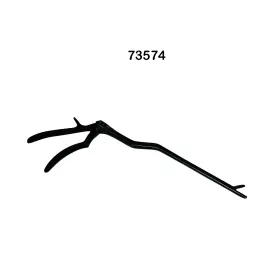
( Brand: Alphatec ), ( Type: Pituitary Straight Bayoneted 4mm Rongeur ), ( Unit Type: Unit ), ( Manufacturer Part Number: 73574 ), ( Materials Sourced From: United States ), ( Intended Use/discipline: General Surgery, Connector Cable )
Review ALPHATEC Pituitary Straight Bayoneted 4mm Rongeur
The Alphatec 73574 Pituitary Straight Bayoneted 4mm Rongeur is a precision neurosurgical instrument designed for the removal of small bone fragments and tissue during neurosurgical procedures, particularly in the region of the pituitary gland.
This rongeur features a straight shank with a bayonet-style handle connection, ensuring a secure and stable attachment between the instrument and the handle. The 4mm working jaw width provides optimal control and precision for the surgeon, making it suitable for delicate and intricate procedures.
The jaws of the rongeur are made of high-quality, surgical-grade stainless steel, ensuring durability and resistance to corrosion. The jaws are also designed with serrated edges to provide a better grip on tissue and bone, making it easier to remove even the most tenacious fragments.
The handle of the rongeur is ergonomically designed to provide a comfortable and secure grip for the surgeon, reducing fatigue during long procedures. The bayonet connection also allows for easy exchange of instruments, increasing efficiency in the operating room.
The Alphatec 73574 Pituitary Straight Bayoneted 4mm Rongeur is designed to meet the highest standards of quality and performance, ensuring the best possible outcomes for patients undergoing neurosurgical procedures. Its precision engineering, durability, and ease of use make it an essential tool for any neurosurgical practice.
The Alphatec 73574 pituitary straight bayoneted 4mm rongeur is a neurosurgical instrument used for removing bone or tissue around the pituitary gland during neuroendoscopic or microscopic surgeries. Here are some potential pros and cons of purchasing this rongeur:
Pros:1. Designed specifically for pituitary surgeries: This rongeur's size and shape make it ideal for accessing and working in the narrow and complex anatomy of the pituitary region.
2. Bayonet tip: The bayonet tip design allows for easy attachment and detachment from the handle, reducing the risk of damaging the instrument during surgery.
3. Durable: Alphatec is known for producing high-quality surgical instruments that can withstand repeated use.
4. Sharp and effective: The 4mm cutting edge ensures that the rongeur can effectively remove bone or tissue with minimal force, reducing the risk of injury to surrounding structures.
Cons:1. Expensive: Neurosurgical instruments, especially those designed for specific procedures, can be quite costly.
2. Single-use: While the instrument is durable, it is typically intended for single-use only, adding to the overall cost.
3. Requires proper handling: Like all surgical instruments, the Alphatec 73574 pituitary straight bayoneted 4mm rongeur requires proper handling to avoid injury to the patient or damage to the instrument.
In conclusion, the Alphatec 73574 pituitary straight bayoneted 4mm rongeur is a high-quality instrument designed specifically for pituitary surgeries. Its advantages include its precision, durability, and ease of use. However, its high cost and single-use nature may make it a less attractive option for some surgeons or institutions. Ultimately, the decision to purchase this rongeur will depend on the specific needs and budget of the user.
Recommendation:If you frequently perform pituitary surgeries and have the budget for it, the Alphatec 73574 pituitary straight bayoneted 4mm rongeur is an excellent investment due to its precision, durability, and effectiveness. However, if cost is a concern, you may want to consider alternative options or negotiate with your supplier for a better price. Additionally, proper handling and maintenance of the instrument will ensure that it lasts as long as possible, making the investment worthwhile.
Details:
MED 48: Item condition: USED,: : Visual Verification: Rely heavily on the provided pictures to assess items condition. Medical and dental items must be inspected by a qualified biomedical technician before being placed into use.
part #: 73574 price
- $49.99
specifications quakedental:
- brand: Alphatec
- type: Pituitary Straight Bayoneted 4mm Rongeur
- unit type: Unit
- manufacturer part number: 73574
- materials sourced from: United States
- intended use/discipline: General Surgery, Connector Cable
returns quakedental:
- method: Money back
- time: 30 Days
- policy: Returns Accepted
- paid by: Seller
general quakedental:
- Business Industrial > Healthcare, Lab Dental > Other Healthcare, Lab Dental
- condition: Used
offer quakedental:
- quantity: 1
- started: November 2, 2025
- availability: In Stock
- options: Ship-to-home
- best offers: True
- sold: 0
seller quakedental:
- rating: 99.7%
- # reviews: 474
- city: Westmont, Illinois
shipping quakedental:
- service: UPS Ground, UPS Next Day Air, UPS 2nd Day Air
- carrier: UPS
- type: Calculated
- transit: 3-5 Days
- cost: $0.00
- class: Standard, One-day, Expedited
payments quakedental:
- other
- credit card: Mastercard
- wallet: Apple-pay

1 offer $49.99 USD
- Used. Offer #1 priced at $49.99 + $9.99 delivery = $59.98* total. +$9.99 shipping