3D PRINTED Top Pharmacy Decapitator Bottle Popper Tool 7540684021944
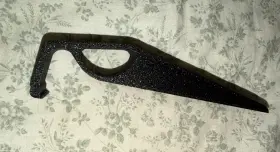
( Brand: 3d Printed ), ( UPC: 540684021944 )
Review 3D PRINTED Pharmacy Decapitator Bottle Top Popper Best Tool
Introducing our 3D printed Pharmacy Decapitator Bottle Top Popper Tool, a must-have accessory for anyone who frequently deals with prescription bottles. This innovative tool is designed to make opening those hard-to-open prescription bottle caps a breeze.
Our Pharmacy Decapitator is meticulously crafted using high-quality, food-grade FDA approved 3D printed PLA (Polylactic Acid) material. This material is not only safe for direct contact with food and pharmaceuticals but also provides excellent durability and resistance to wear and tear.
The design of this bottle top popper tool is ergonomically shaped to fit comfortably in your hand, allowing for easy and efficient use. The tool features a unique and effective design that utilizes a small, pointed tip to press down on the center of the bottle cap, releasing the seal and allowing the cap to pop off effortlessly.
The tool's compact size makes it a convenient addition to any kitchen drawer, medicine cabinet, or purse. It is lightweight yet sturdy, ensuring that it can withstand frequent use without showing any signs of wear.
The Pharmacy Decapitator Bottle Top Popper Tool is not only helpful for those with arthritis or other hand mobility issues, but it is also an excellent solution for anyone who finds themselves struggling to open prescription bottles on a regular basis.
In conclusion, our 3D printed Pharmacy Decapitator Bottle Top Popper Tool is an indispensable accessory for anyone who needs help opening prescription bottles. Its innovative design, made from food-grade, FDA approved PLA material, ensures that it is not only effective but also safe and durable. Its ergonomic design and compact size make it a convenient addition to any household or on-the-go essentials.
Pros and Cons of Buying a 3D Printed Pharmacy Decapitator Bottle Top Popper Tool
A 3D printed pharmacy decapitator bottle top popper tool is a device designed to help pharmacists and laboratories easily open prescription bottles with child-resistant caps. This tool is becoming increasingly popular due to its affordability and accessibility through 3D printing. In this analysis, we will examine the potential advantages and disadvantages of purchasing a 3D printed pharmacy decapitator.
Pros:1. Cost-effective: 3D printed pharmacy decapitators are significantly less expensive than their commercially available counterparts. This can save pharmacies and laboratories a considerable amount of money, especially when dealing with a large volume of bottles.
2. Customizability: 3D printing technology enables users to customize the design of their decapitator, allowing for greater flexibility in handling different bottle shapes and sizes.
3. Quick production: With a 3D printer, a pharmacy decapitator can be produced in a matter of hours, reducing the time spent on sourcing and acquiring a commercial tool.
Cons:1. Quality and durability concerns: While 3D printed items can be strong and functional, the quality and durability of a printed pharmacy decapitator may not be on par with a professionally manufactured tool. This could potentially lead to breakage or malfunction, which could impact patient safety.
2. Lack of standardization: As 3D printed pharmacy decapitators are not yet regulated, there is no standardized design or material specification. This can lead to inconsistencies in performance and potential compatibility issues with different bottle types.
3. Limited availability of filament: The availability of filament specifically designed for 3D printing pharmacy decapitators is currently limited. Pharmacies and laboratories may have to source the filament from various suppliers, which could result in inconsistencies and potential issues with filament quality.
Conclusion:A 3D printed pharmacy decapitator can offer cost savings, customizability, and quick production. However, it also comes with potential quality and durability concerns, lack of standardization, and limited availability of filament. Pharmacies and laboratories must carefully weigh these factors against the potential benefits before deciding to invest in a 3D printed pharmacy decapitator.
Recommendation:If a pharmacy or laboratory is considering purchasing a 3D printed pharmacy decapitator, it is recommended that they first thoroughly research the available designs and filaments, as well as the potential impact on patient safety and workflow efficiency. They should also consider partnering with a reputable 3D printing service or supplier to ensure the highest possible quality and consistency in their tool. Additionally, it may be prudent to maintain a backup supply of commercially available decapitators as a safeguard against any potential issues with the 3D printed version.
In conclusion, while a 3D printed pharmacy decapitator can offer cost savings and customizability, it is important for pharmacies and laboratories to carefully consider the potential risks and challenges associated with this technology before making a purchase. Ultimately, the decision to invest in a 3D printed pharmacy decapitator should be based on a thorough analysis of the specific needs, resources, and risk tolerance of the organization.
Details:
Well, I have the best tool for job. Do you work in a pharmacy and tire of trying to make bottles non-safety with the tools bend before lid ever comes off.
specifications quakedental:
- brand: 3d Printed
- upc: 540684021944
payments quakedental:
- credit card: Diners-club
- wallet: Google-pay
- other
seller quakedental:
- rating: 100.0%
- city: Yuba City, California
- # reviews: 1971
offer quakedental:
- availability: In Stock
- quantity: 4
- sold: 0
- options: Ship-to-home
- started: June 12, 2026
returns quakedental:
- paid by: Buyer
- policy: Returns Accepted
- method: Money back
- time: 30 Days
general quakedental:
- Business Industrial > Healthcare, Lab Dental > Other Healthcare, Lab Dental
- condition: New
shipping quakedental:
- carrier: USPS
- class: Standard
- service: USPS Ground Advantage
- transit: 4-7 Days
- cost: $5.00
- type: Fixed
3d Printed 540684021944 Is Similar To:
- Dsi 3730062 Intraoral Scan Spray For 3d Cad cam Digital Scanning 75 Ml Bottle (21.5% similar) Anti-reflective, removes contaminants. Intramural surface matting of teeth and crowns before digital optical imprints. Guaranteed for long-lasting use. Item brand: Dis. Intramural fit and friction control of denture. 1 year warranty. Ideal for abutments and bite registrations...(May 23rd, 2025)

5 offers $7.95–$7.95 USD
- New. Offer #1 priced at $7.95 + $6.58 delivery = $14.53* total. It features a bottle opener, spatula, cotton puller, and tweezers, making it a convenient and practical tool for various tasks in a pharmacy setting. This is for one 4-in-1 Pharmacy Multi Tool -BLACK in Color.+$6.58 shipping
- New. Offer #2 priced at $7.95 + $6.58 delivery = $14.53* total. This is for one 4-in-1 Pharmacy Multi Tool -PINK in Color.+$6.58 shipping
- New. Offer #3 priced at $7.95 + $6.58 delivery = $14.53* total. This is for one 4-in-1 Pharmacy Multi Tool -OLIVE in Color.+$6.58 shipping
- New. Offer #4 priced at $7.95 + $6.58 delivery = $14.53* total. This is for one 4-in-1 Pharmacy Multi Tool -BLUE in Color.+$6.58 shipping
- New. Offer #5 priced at $7.95 + $6.58 delivery = $14.53* total. This is for one 4-in-1 Pharmacy Multi Tool -YELLOW in Color.+$6.58 shipping